
How to Get the Most Value Out of Your Pokémon Collection
Getting the most value from your Pokémon collection starts with understanding what you own and what you want from it. You might be sorting an old binder, deciding whether to grade a promising card or making room by selling duplicates. In each case, the useful figure is what the item could realistically sell for, what it would cost to get there and what you would keep afterwards.
This guide takes you through that process: identify and value your collection, weigh up ways to increase its value, protect its condition, then plan a sale and decide what to do next. You do not need to predict the next price spike. Checking the details, avoiding unnecessary costs and preventing damage gives you a stronger starting point whatever the market does. And if a card means more to you than its selling price, knowing its value can help you make a confident decision to keep it.
Measure – Know what you have
Take inventory
Before you decide what to sell or submit for grading, make a record of what you actually have. An old box can contain several printings of the same card, and the difference may be easy to miss. A spreadsheet or collection tracker gives each item a place, so the prices you find later stay attached to the right cards.
If there is a lot to sort, start with older cards, holos and reverse holos, promos, sealed products and recognisable favourites such as Pikachu, Charizard, Rayquaza and Umbreon. Our Pokémon rankings can give you ideas for names to investigate. This is a way to prioritise your search; check the exact card before assigning a value. Group lower-priority cards by set so you can return to them without sorting the whole box again.
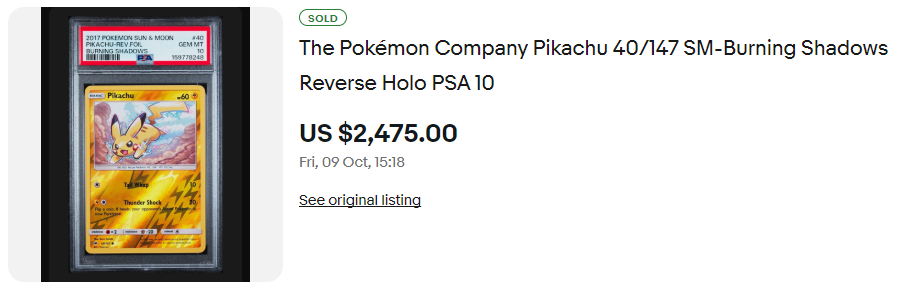
Take the reverse holo Pikachu from Burning Shadows as an example. It is easy to dismiss as bulk, yet the PSA 10 copy in the listing below sold for US$2,475. An ungraded copy is not automatically worth that amount, but the example shows why it pays to check a card’s exact variant and condition before setting it aside.
The details matter. Cards with the same Pokémon and artwork can have very different values depending on their printing, finish and condition. You can find the set and collector number printed at the bottom of the card, usually next to the set symbol. For each item, record:
- Identity: card name, set, collector number and language.
- Variant: regular, holo or reverse holo, plus any promo stamp, edition marking or other distinguishing feature.
- Condition and quantity: how many copies you own, with the condition of each copy assessed individually.
- Your records: purchase price, date, storage location and photographs of valuable items.
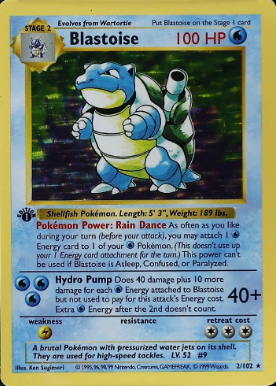
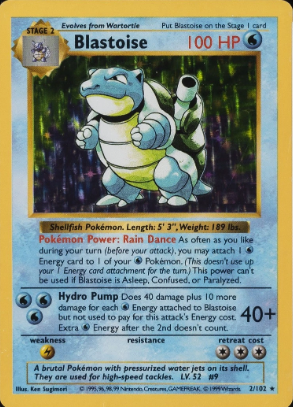
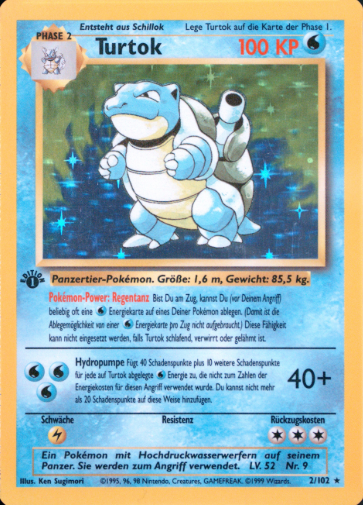
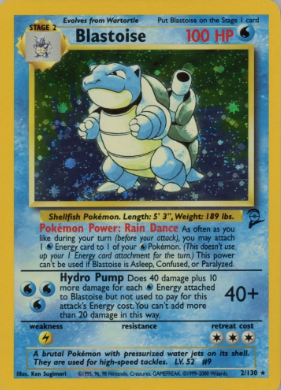
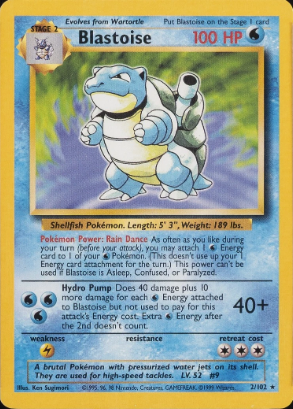
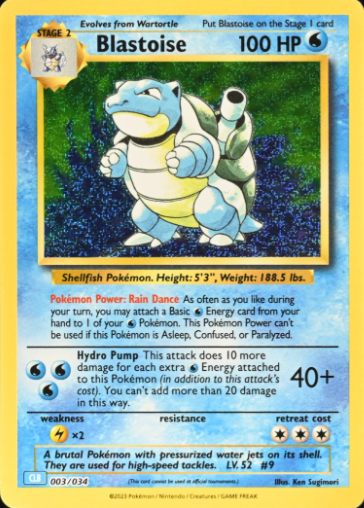
Separate your raw cards from your slabs. “Raw” means ungraded; a “slab” is a card sealed in a grading company’s holder. When comparing slabs, match the grader, the numerical grade and the label designation. For sealed products, record the exact product and release, language, quantity and any packaging damage. If you use a scanning app, check its result: a similar-looking card may be matched to the wrong printing.
Check condition honestly
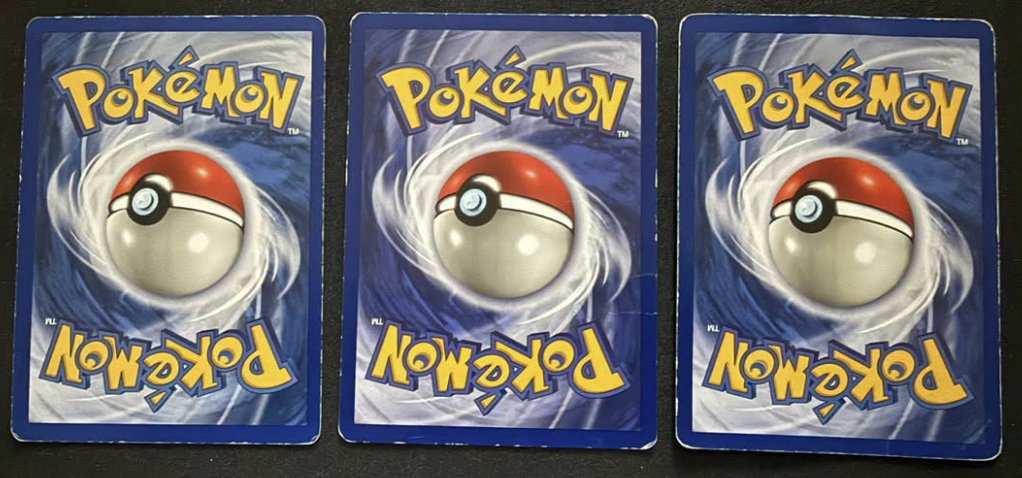
Condition has a large effect on price, and buyers will check it. Assessing it accurately lets you compare prices fairly and builds trust with buyers. Inspect both sides in good light and tilt the card to reveal marks that are hidden when it is viewed straight on. Here is a simplified summary of TCGplayer’s condition categories:
- Near Mint (NM): Looks almost untouched, with only a few slight flaws such as minimal edge wear, a small speck of corner whitening or a fine scratch. It does not need to be flawless.
- Lightly Played (LP): Shows noticeable but limited wear, such as light edge or corner whitening, scuffs or small scratches. There should be no creases or structural damage.
- Moderately Played (MP): Shows more pronounced wear, including scratches, scuffs and border whitening. Some dents or creases may qualify within TCGplayer’s limits, provided the cardstock remains structurally sound.
- Heavily Played (HP): Shows substantial wear, which may include heavy whitening, severe scratches and creasing. The card must remain structurally intact and verifiably authentic.
- Damaged: Has flaws beyond the other categories, such as tears, separated layers or liquid damage that weakens the cardstock. Aftermarket ink and other alterations can also place a card in this category.
Near Mint is TCGplayer’s highest listing category; it has no separate Mint or Gem Mint listings. When a card sits between categories, check the full condition standard and document the flaw that makes the decision difficult. A clear photo and a cautious description give the buyer a better basis for agreeing your price, and reduce the chance of a condition dispute later.
Set aside exceptionally clean cards as possible grading candidates, but keep their raw condition separate from a predicted grade. A pack-fresh card can still have factory whitening or off-centre printing. Your notes and photos will help you assess it in the Grow section without repeatedly handling it.
Find current market value
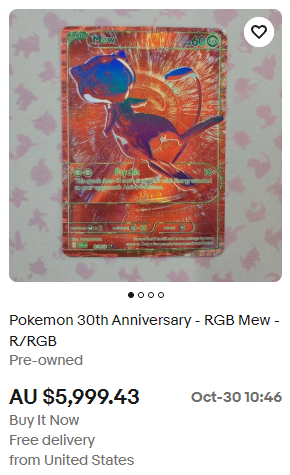
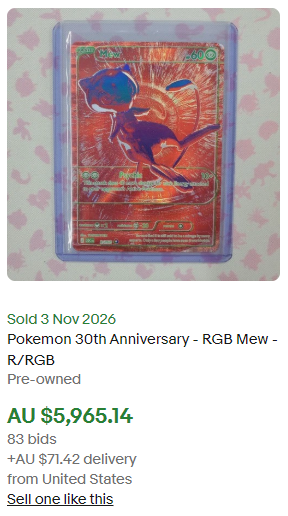
With the printing and condition recorded, you can start comparing prices. An estimate from a price-tracking site is a useful lead, but check the sales behind it before using it to price your own card. Look for recent completed sales that match the printing, language, finish and condition. These comparable sales are often called “comps”.
How to find comps on eBay:
- Search the card name, set and collector number (for example, “Pikachu 40/147 Burning Shadows reverse holo”).
- Use the filters to show Sold items. An active listing shows the seller’s asking price; it does not establish that a buyer will pay it.
- For a raw card, look at sales described in the same condition as yours. For a slab, match the grader and grade exactly.
- Where available, note five to ten recent comparable sales and their dates. Investigate unusual results for differences in condition, contents, currency or sale terms before excluding them.
- Use the middle of the comparable results as a working estimate, or record a range if prices are spread out. Keep the source links so you can revisit the comparison.
Keep a particularly useful comparison with your inventory entry: the listing link, date, currency and a note explaining why it matches. When you revisit the card in a few months, you will be able to update the estimate without starting the research again.
Account for postage and currency when you compare sales. Exclude mismatched printings and unsold listings. Be careful with “best offer accepted” listings, which usually hide the final price, and do not treat one unusually high or low auction result as the market. If comparable sales are scarce, record a range and note the uncertainty. A card that rarely sells is harder to turn into cash, whatever its listed price.
Track over time
The estimate is a snapshot, so date it. Update valuable items when you are considering a sale, a grading submission or another purchase of the same card. You do not need to reprice every common each week; focus your effort where a change would affect a decision.
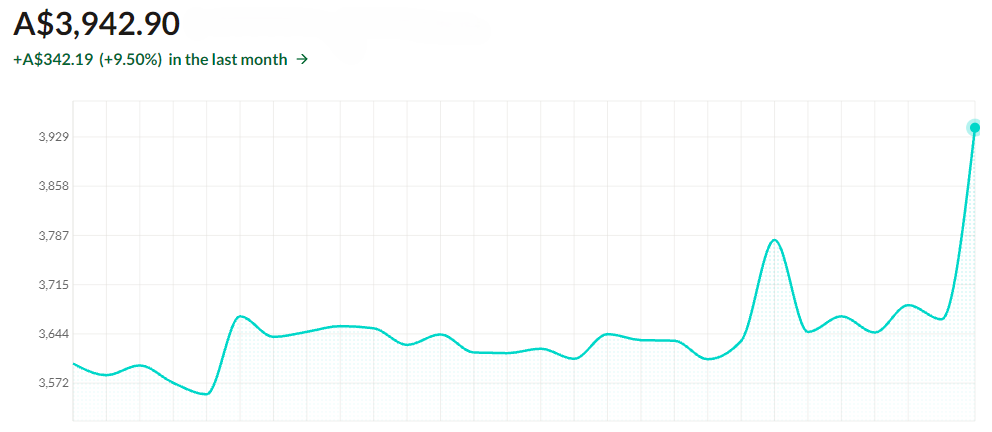
Go further: Keep two figures: the combined market value of your individual items, and what a realistic sale of the collection would leave you after costs. Remove sold items promptly so your records only include what you still own.
Grow – Increase value
Grading
Once you have a realistic raw value, you can judge whether spending more on a card is likely to improve what you keep. Grading is one option: authentication, a condition assessment and a recognised holder may appeal to buyers. The premium still needs to cover the submission and selling costs. Work through the numbers before choosing a grader:
- Raw value: estimate what you would keep by selling the card ungraded, after selling costs.
- Graded values: find completed sales of the same card at several plausible grades (for example 10, 9 and 8).
- Grading cost: add the submission fee, shipping both ways, insurance and any fees from a third party who submits for you. If the grader raises its fee for higher-value cards, include that too.
- Compare: subtract the grading cost and your selling costs from each graded value and compare the result with your raw value.
Use a cautious estimate rather than the best-looking ten you can find. Suppose selling raw would leave you $90, and grading would cost $40 including submission and transport. Here are three hypothetical outcomes, with selling costs already deducted from each projected sale:
- Grade 10: $180 − $40 = $140 kept, or $50 more than selling raw.
- Grade 9: $105 − $40 = $65 kept, or $25 less than selling raw.
- Grade 8: $75 − $40 = $35 kept, or $55 less than selling raw.
In this example, the graded sale needs to leave $130 after selling costs just to match the $90 raw outcome once the $40 grading bill is paid. Only the hypothetical 10 clears that threshold. If a 9 would leave you worse off, ask whether the possible gain justifies that risk. Check centering, corners, edges and surface, and get an experienced second opinion if you cannot confidently assess the condition.
The next comparison is between graders. Use sales for your specific card to judge demand, then compare the service cost and likely outcomes below. A higher-sounding grade from one company does not necessarily bring a higher selling price than a different grade from another.
| Grader | How the grade works | Resale demand and prices | Watch out for |
|---|---|---|---|
 | Grades cards on a 1–10 scale, with PSA 10 (Gem Mint) being the highest grade. PSA does not distinguish between different levels of 10 or provide separate subgrades for centering, corners, edges and surface. | Generally the most established resale market for Pokémon cards, with strong collector demand and plenty of comparable sales. PSA 10 is often the benchmark against which other grading companies are compared. | A strong default choice if resale value and liquidity are priorities. Check current turnaround times and declared-value limits, as PSA may apply an upcharge if a card exceeds the value allowed by its service tier. |
 | Grades cards on a 1–10 scale in half-point increments, with four subgrades: centering, corners, edges and surface. Its highest grades are Pristine 10 (Gold Label) and Pristine 10 (Black Label). A Black Label requires a perfect 10 in all four subgrades, making it the highest distinction. | BGS Pristine 10s can command a premium over PSA 10s, particularly Black Labels, which are exceptionally difficult to achieve. However, demand and price premiums vary significantly by card. Lower BGS grades may be less liquid than equivalent PSA grades. | Best suited to cards with exceptional condition, particularly those with near-perfect centering. Black Label premiums can be substantial, but achieving one is extremely difficult. Always compare Gold Label and Black Label sales separately. |
 | Grades cards on a 1–10 scale, including half-point increments. Its highest grades are Gem Mint 10 and Pristine 10, with Pristine representing a stricter standard of condition. Older CGC labels may use different grading terminology. | Generally has a smaller resale market than PSA, although CGC Pristine 10s can attract significant premiums. Gem Mint 10s may sell for less than PSA 10s, depending on the card and collector demand. | Worth considering for collectors who value strict grading standards and the opportunity to achieve a Pristine 10. Be careful when comparing older CGC grades, particularly legacy Gem Mint 9.5 labels and retired Perfect 10 grades. |
 | Uses technology-assisted grading on a 1–10 scale, with separate Gem Mint 10 and Pristine 10 designations. Its detailed TAG Score service also provides a score out of 1,000: Gem Mint 10 (950–989) and Pristine 10 (990–1,000). Digital grading reports document identified defects. | A smaller and less established resale market than PSA, with fewer comparable sales available. TAG's transparent grading reports and precise scores may appeal to condition-focused collectors, but a high score does not guarantee a resale premium. | Particularly appealing if transparency, detailed condition analysis and understanding why a card received its grade matter to you. Check which grading service includes the 1,000-point score and enhanced reports, as features differ by service tier. |
Whichever grader you choose, price your card from completed sales of the same card at that grader and grade, not from a different grader’s results. A PSA 10 price tells you little about what a CGC or BGS 10 of the same card will fetch. A CGC Pristine 10 or TAG Pristine 10 may satisfy stricter published condition requirements than a PSA 10, but this does not automatically make it more valuable. Grading standards and market demand are separate considerations.
No company is the best choice for every card. Compare buyer demand for that card at that grader, how often it reaches a high grade (see population reports), current service costs, how easy it is to submit from where you live and which holder you prefer. Check turnaround times directly with the grader: your cards and the money tied up in them are unavailable while the submission is away. Grading a sentimental card can still be worthwhile, as long as you treat the cost as enjoyment rather than an investment with guaranteed returns.
Go further: Population reports list how many copies a grader has graded at each grade. A low graded population does not prove rarity or demand; it may simply mean few owners have submitted that printing. Compare completed sales and demand alongside the population report, and remember that one impressive sale does not establish a dependable price.
Pre-grading prep
If the numbers justify a submission, preserve the condition you assessed while preparing it. Use the photos and notes from your inventory as a reference, then check the grader’s packaging requirements before taking the card out of its holder.
- Inspect: use a clean, dry surface and diffuse light. Look at both sides from different angles.
- Handle carefully: use clean, dry hands, hold the card by its edges and avoid repeatedly taking it in and out of sleeves. Check that any marks are on the card rather than on a dirty sleeve or holder.
- Document and pack: photograph the card, record visible flaws and follow the chosen grader’s current packaging instructions.
Trying to remove a scratch, flatten a crease or restore gloss can put the submission at risk. PSA’s grading standards identify crease pressing, scratch removal and applied cleaning substances as reasons for an altered-stock or cleaning designation; grading fees can still apply. Leave uncertain surface marks alone and price the card in its current condition before deciding whether to submit it.
Timing buys and holds
Grading is only one way to change the collection’s value. Buying well matters too, and the comps you gathered give you a price reference before release excitement or a seller’s scarcity claim takes over. Set a delivered-price limit first, then ask what is driving demand for that particular card.
A card wanted for competitive play may respond to different events from a favourite illustration bought for a binder. If playability is part of your reason for buying, check the official format rules. Reprints and new releases can also change the available supply and what buyers are willing to pay. Record why you bought and what would prompt a review, so a later decision has more behind it than whether the price went up.
Completing sets and lots
Sometimes the opportunity is in how you group what you already own. A clearly organised set or lot saves a buyer the work of finding each piece. Before purchasing cards to finish it, compare complete-set sales with the likely proceeds from selling your existing cards separately. The difference needs to cover the missing cards, extra postage and your time.
Write down exactly what “complete” includes before buying the last few gaps. A numbered main set, a reverse-holo set and a set including promos are different projects. A checklist keeps the cost of finishing visible and becomes a useful part of the listing if you later sell.
Buying smart
If you need a particular card to finish that checklist, compare the delivered price of the single before spending on packs. Buying it directly gives you a known cost for the card you want. Opening packs can be part of the enjoyment, but give it its own budget rather than depending on the pulls to recover what you spend.
Apply the same discipline to sealed products: compare delivered prices, check the seller and read preorder terms before committing. Include the space and protection the box will need. A purchase that looks affordable on its own can become less attractive once those costs are included.
Protect – Preserve value
Storage basics
Getting the most from your collection also means not losing value to damage. Protection should be a habit, and it should match the item and how often you handle it. You cannot control where the market goes, but you can take care of the condition that a future buyer will assess.
Start with the cards where a change in condition would matter most. A surface scratch or damaged corner can make a card harder to sell at the price you expected, or weaken the case for grading it. Put raw cards into clean, correctly sized penny sleeves, then use compatible top loaders or rigid holders where extra support is needed. Check the opening before inserting the card: if it catches or needs force, stop and check the fit rather than risk damaging an edge.
Cards kept in binders need room too. Choose non-PVC pockets intended for card storage, and avoid doubling up cards to squeeze more into a page. Close the binder and check that the cover sits comfortably without rings or closures pressing into the cards. If the pages bulge, splitting the collection across two binders is a small cost compared with damaging the cards you are trying to preserve.
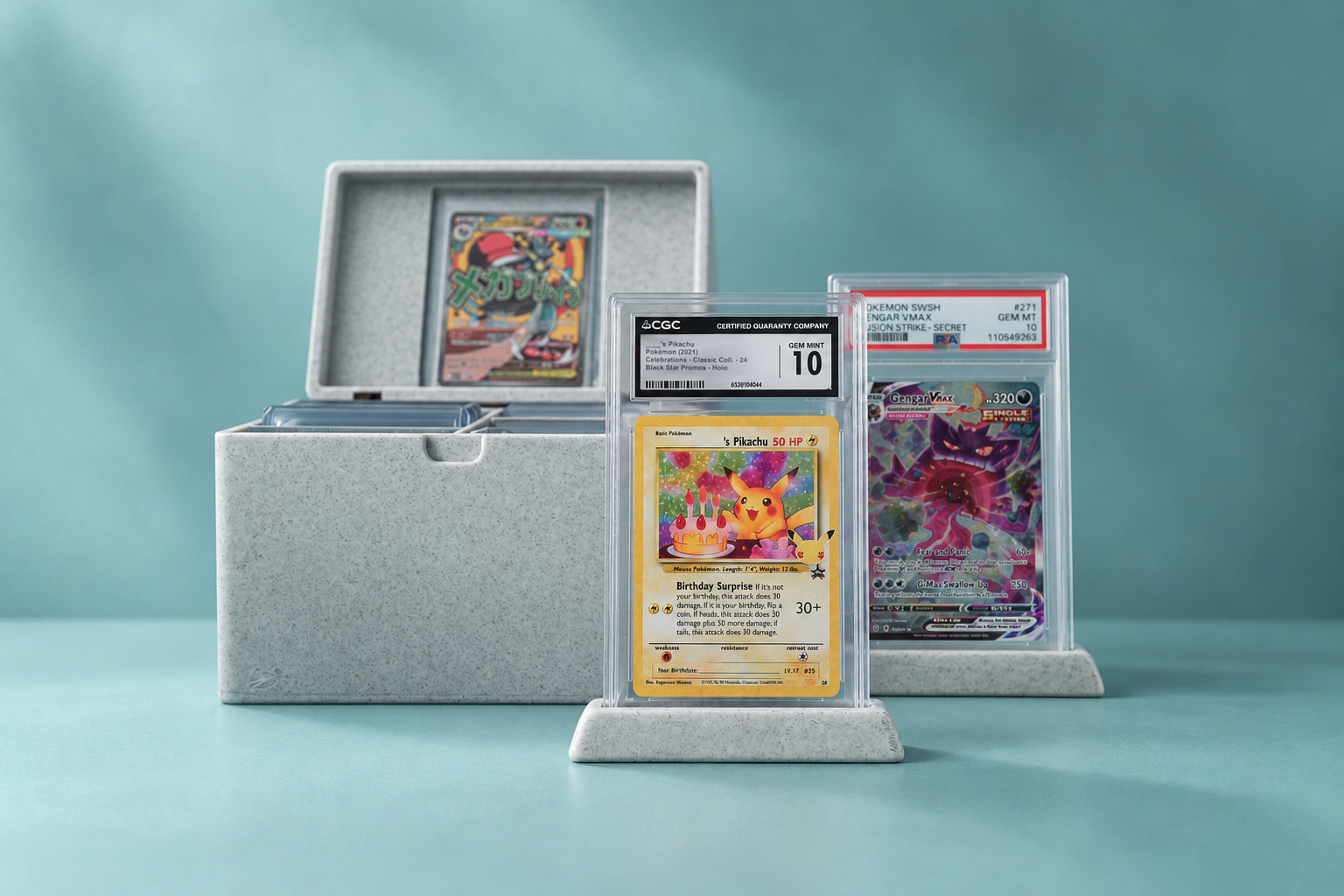
For cards already in top loaders, choose storage that supports the holders and lets you remove them without squeezing or scraping past neighbouring cards. Our storage and display accessories can help organise that setup; check compatibility and internal dimensions against the holders you use. Give your most valuable cards individual protection, and keep loose stacks away from everyday desk traffic.
Value-preserving habit: Prepare the sleeve, holder and storage space before taking a card out. Avoid repeatedly removing it just to check its condition or take another photo. A clear set of front, back and detail photos gives you a reference for valuation and future listings while reducing unnecessary handling.
Environment
Good holders are only part of the job. Where you keep the collection determines what it is exposed to between the times you handle it. Choose a stable indoor space away from direct sunlight, heaters and damp, and keep boxes off floors where a leak could reach them. A garage or hot vehicle is a poor place to leave items whose condition you want to preserve.
Check a proposed display spot at different times of day: a shaded shelf in the morning can catch direct afternoon sun. A slab or clear case does not automatically provide verified UV protection or moisture control, so check the specific product before relying on those features. When reviewing your inventory, inspect the storage area and holders too. Spotting moisture, dirt or a cracked holder early gives you a chance to address it before more items are affected.
Sealed product care
For sealed products, the packaging is part of what a buyer is paying for. Two boxes from the same release may attract different offers if one has clean corners and intact wrap while the other is crushed or torn. Keeping a box sealed is only the start; preserving its presentation helps keep your selling options open.
Protect exposed boxes from knocks and repeated handling. A correctly fitting acrylic case can be useful for a booster box or Elite Trainer Box you want to display, especially where it might otherwise be picked up or moved regularly. Match the case to the exact product format and check its internal dimensions. The box should sit comfortably, with the lid clear of the corners and wrap.
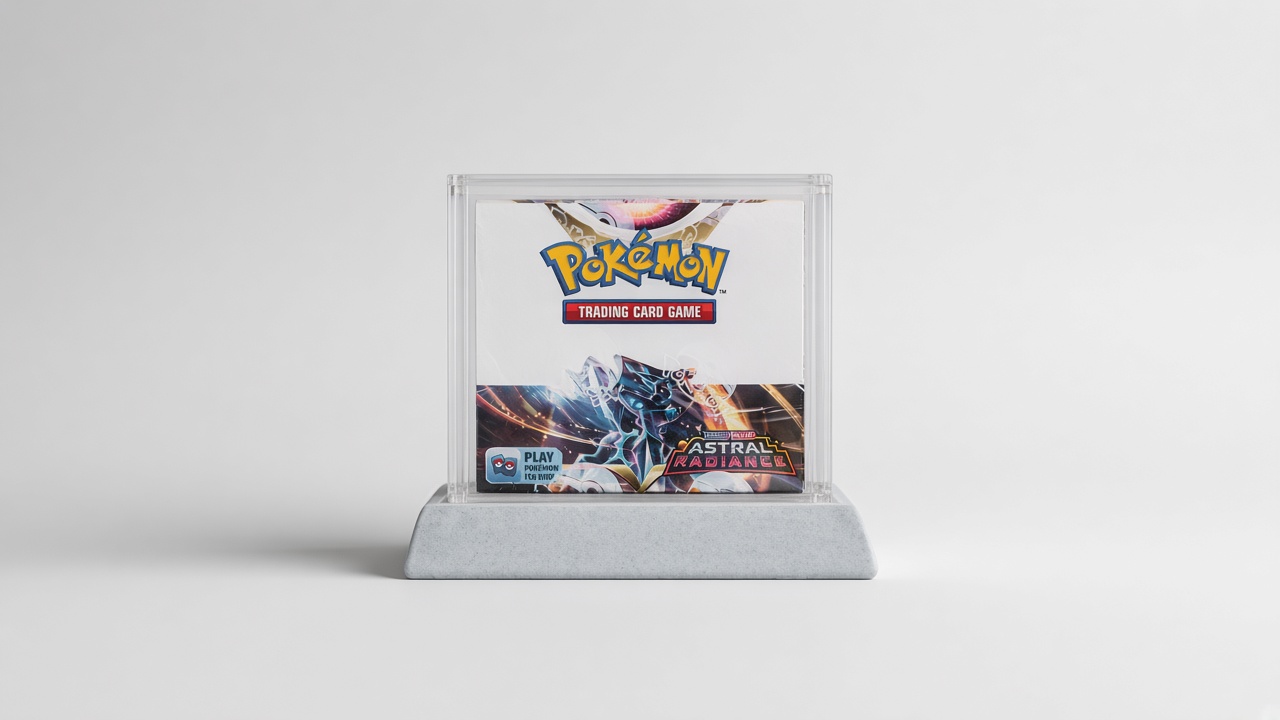
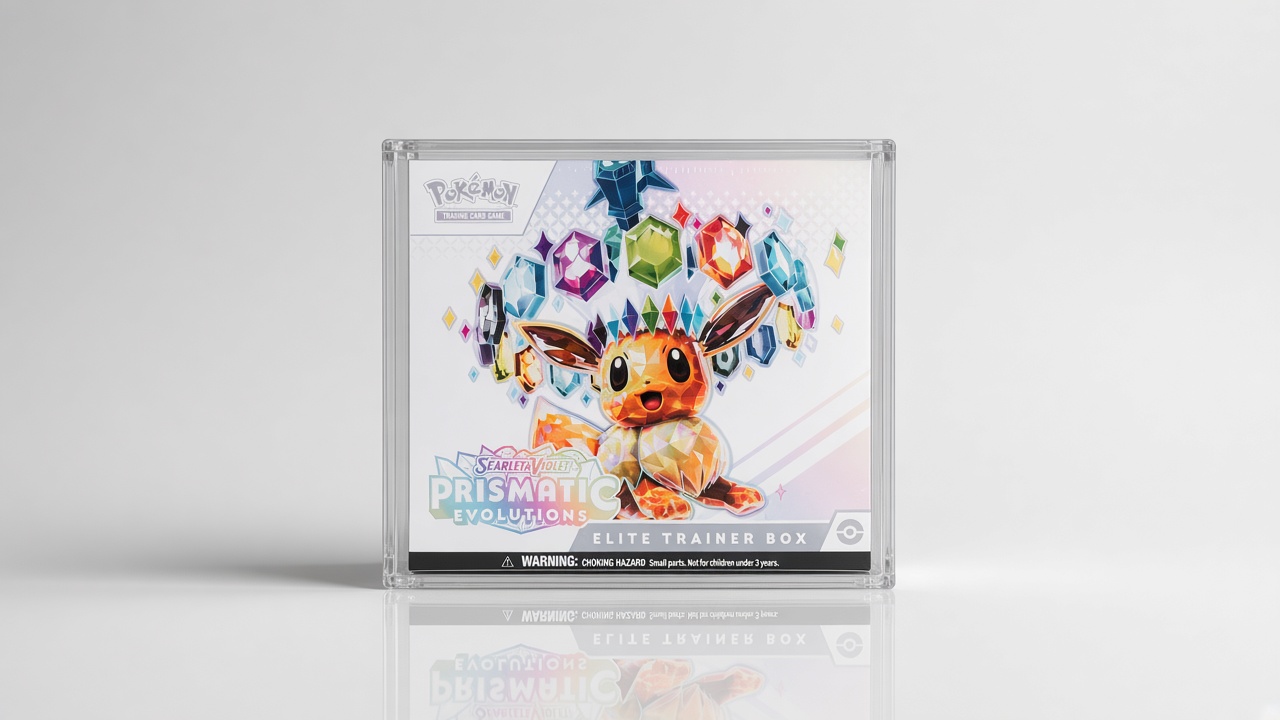
For products stored away, use level shelves, avoid tall stacks and keep heavy items off the boxes. Leave room to remove one without dragging it against the next. Before buying more protection, look at the risk you are solving: a better shelf layout may be enough for stored boxes, while an exposed display piece may benefit from its own case. Keep protection costs proportionate to the value and vulnerability of the item.
Keep a condition baseline: Photograph the corners, seams and wrap when a sealed product arrives, including any existing dents or tears. Save those photos with the receipt. They give you a useful comparison when checking storage damage and help you describe the item accurately when selling. Leave damaged original wrap as it is rather than taping or replacing it.
Insurance and records
Preserving value also means being able to identify and document what you own. Link each valuable item to its receipt, condition photos and storage location in your inventory. Record certification numbers for slabs, and distinguish separate copies of the same card. Keep a backup away from the collection so the records are still available if the items are lost or damaged.
Build this into the valuation routine from the earlier section: when you update an item's estimated value, check whether its photos and condition notes are still accurate. That makes future pricing and listing easier, and gives you a clearer record of what has changed.
As the collection grows, ask your insurer what cover applies, what limits and exclusions exist, and what evidence of ownership and value they require. Confirm whether transit is included if you send valuable cards for grading or sale. Your own market estimate is a useful record, but ask what valuation evidence the insurer will accept.
Authenticity protection
All of that protection depends on the item being what you believe it is. Check new purchases before adding their value to your inventory: compare the actual item with the listing, confirm the release and language, and keep the seller and transaction details. Resolving a discrepancy early is easier than trying to reconstruct the purchase when you come to sell.
For graded cards, look up the certification number on the grader's website and compare the card and label with the record. A matching number alone is not enough, because numbers can be copied. For raw cards and sealed products, use verified examples from the same release and language as your comparison; an unusual print detail or wrap seam on its own does not settle authenticity.
If a valuable item still raises doubts, get a qualified assessment before spending more on grading, protection or another purchase from the same source. Keep the item intact and save your records. Pokémon Support's counterfeit guidance provides a starting point for further checks.
Sell – Realise value
Choose where to sell
When you are ready to sell, bring together the work you have already done: the exact item details, an honest condition assessment, current comps and clear photos. Those give you a basis for comparing offers. The next decision is how much of the selling work you want to take on yourself.
A marketplace listing gives you control over the price and presentation, but you also handle questions, packing and any problems after delivery. A shop or collection buyer may offer less in exchange for taking on that work and the resale risk. Compare what each route would leave you after costs, alongside the time it requires.
Consignment gives you another way to hand over the selling work: a seller lists and sells on your behalf, then pays you according to the agreed terms after the sale. For a high-end card or rare sealed item, a specialist auction house may also be worth approaching. Ask about recent sales of comparable Pokémon items and the expected payout after costs before committing; a larger auction audience does not guarantee a better result.
Decide which items deserve their own listing. Sell valuable singles separately when the extra money justifies the work, and group lower-value cards into accurate, useful lots. Selling the whole collection in one go is convenient but usually means accepting a discount. Where practical, get more than one offer and compare like with like: the same contents, payment method and pick-up or delivery arrangements.
| Route | Audience and availability | Costs to check | Speed and effort |
|---|---|---|---|
| eBay | Broad collector audience; country-specific sites and rules. | Selling fees, optional promotion and international or currency charges vary by market and seller status. | Variable; individual listings, packing and buyer questions. |
| TCGplayer | Card-focused, primarily US; Canadian seller access includes a limited pilot. | Marketplace commission, payment processing and any programme fees. | Variable; you need accurate inventory, condition grading and fulfilment. |
| Whatnot | Live-shopping community; seller approval required in supported countries. | Commission and payment processing; regional and category differences. | Can sell during a show; preparation and audience-building take work. |
| Local shop | Depends on local demand and what the shop wants to buy. | The offer includes the shop’s resale margin; compare cash offers with store credit. | Potentially quick after inspection; very little listing work. |
| Consignment | An established seller handles the sale for you through their audience or marketplace accounts. Check their experience with your type of Pokémon item. | Commission, platform fees, minimum charges, insured delivery and any withdrawal or return costs. Agree who covers loss or damage while they hold the item. | Less listing and buyer-management work for you; payment follows the sale and the agreed payout schedule. Confirm pricing authority and what happens if it does not sell. |
| High-end auctions Goldin / Fanatics Collect | Specialist audiences for high-value cards and collectibles. Goldin’s Elite and Fanatics Collect’s Premier auctions have value and acceptance criteria; confirm eligibility for your item. | Request the seller payout terms, including any commission or minimum charges, authentication, insured shipping and currency conversion. Check how the buyer’s premium relates to the hammer price and your payout. | The auction house handles presentation and the sale. Allow for acceptance, intake, the auction calendar and buyer payment before payout; confirm reserve and unsold-item terms. |
| Facebook groups | Local or specialist communities; group rules vary. | Payment, postage and any platform costs; confirm what buyer or seller protection applies. | Variable; negotiation, reputation checks and arrangements are up to you. |
Check the current official terms before choosing: eBay fees, TCGplayer fees and Whatnot fees. Being able to buy on a platform does not mean you can sell on it, so review TCGplayer registration and Whatnot’s supported seller locations for your country.
Choose when to sell
Once you have chosen a route, use recent sales to set a realistic timeframe as well as a price. A card listed at a high value may still take months to find the right buyer. Check three things together:
- Recent sales: are comparable items actually selling, and how often? This is called liquidity: how easily you can turn the item into money at a realistic price.
- Demand and supply: new releases, tournaments and renewed interest can bring in buyers, while reprints can make a card easier to find.
- Your deadline: decide what proceeds you would accept and when you will review. A fair sale now may serve you better than waiting indefinitely for a past peak.
Choose a review date for the listing. If it has not sold by then, revisit the comps, photos and price before assuming you only need to wait longer. Your own deadline matters more than trying to find a perfect month to sell every item.
Seasonal insight: You may hear sellers talk about a “summer slowdown”: price momentum for some cards can ease during the Northern Hemisphere summer, roughly June–August, and pick up again later. For Australian readers, that period falls in winter. Treat the calendar as context: compare recent sold prices and the number of comparable sales before lowering your price or waiting for a rebound. A new release, reprint or change in demand can outweigh the seasonal pattern.
Cut selling costs
Before setting your price, work backwards from what you want to keep. Use the platform’s current fee calculation and a packed shipping quote, then allow for packaging and any insurance or currency conversion. If the card was graded, include the earlier submission bill when judging whether the whole decision paid off.
This is where grouping lower-value cards can make a difference: one accurate lot listing may save repeated packing and postage costs. Compare the likely proceeds both ways before doing the extra work. Keep a record of your costs for any tax or reporting obligations that apply to you.
Worked example: what do you keep?
- Sale received, including postage paid by the buyer
- $200
- Platform and payment costs
- −$26
- Postage
- −$10
- Packaging
- −$4
- Earlier grading and submission costs
- −$35
- Net proceeds after those costs
- $125
- Original purchase cost
- −$80
- Profit before tax and your time
- $45
These are made-up figures, not a platform fee quote. Notice that the payout on the day looks higher than $125 because you paid for grading months earlier; your real result needs that cost included.
List to sell
Your inventory now does much of the work. Turn its details into a searchable title, use the condition notes to write the description and take fresh photos if the earlier ones no longer show the item accurately. A buyer should be able to tell what they will receive and why your comparison price is relevant.
- Photographs: show the actual item, front and back, in neutral light, plus close-ups of any flaws. Avoid filters and glare that hide condition.
- Title: include the Pokémon, set, number, language, variant and grade where applicable, so buyers can find it in search.
- Description: disclose condition, packaging damage and any known alterations, and state exactly what the buyer receives.
- Price: use a fixed price if you have a target in mind, or an auction if you can accept an uncertain final price. If you run an auction, set the starting price with your minimum acceptable outcome in mind.
Protect the sale
The value you have preserved still needs to reach the buyer in the same condition. Before accepting an offer, confirm how payment and delivery will work, and budget for the packaging the item needs. Then follow the transaction through:
- Verify payment: check the actual account, not a screenshot. Pause if a buyer asks you to refund an alleged overpayment, change payment methods or ship outside the order process.
- Keep records: follow the platform’s communication rules and check any concerns through its own support. For local meetings, use a suitable public location.
- Pack properly: sleeve cards and add rigid protection without letting tape touch them. Cushion sealed boxes inside an outer carton.
Use tracking and signature services where appropriate, check whether your carrier excludes collectibles from cover, and keep photographs and receipts. Documentation helps with disputes but does not guarantee a successful claim. Disclose faults upfront rather than hoping packaging or photographs will hide them.
Go further: Compare the extra money kept with the extra hours required. Selling cards individually may bring in more in total, but it may be less attractive once you count the photographing, messaging, packing and handling of returns. Use your own completed sales to estimate both the time and the costs.
Decide – Sell, hold or reinvest
Simple decision rules
With a clearer idea of value, costs and the work of selling, return to the reason you own each item. You do not have to sell everything that has increased in price, or keep everything that has fallen. Decide whether each important item serves a collection goal, is useful for play, is a personal favourite or would be more useful as money for something else.
- Sell: you need the money, have unwanted duplicates, have reached a planned target or no longer want the item.
- Hold: your reason for collecting it is still sound, storage is suitable and you can accept a price decline or a slow sale.
- Reinvest: selling would fund a specific upgrade or collection goal, and you have checked the full cost of making that move.
- Keep as a favourite: the enjoyment is worth the space and money it takes up.
Use what you would realistically keep from a sale as the comparison. If your only reason for holding is “it used to cost more”, ask whether you would choose to buy it today with that money. The purchase price belongs in your records; your next decision also needs to account for the options you have now.
Sealed vs. singles
The protection and selling costs you have worked through also help you choose the shape of your collection. Singles let you select the exact cards you want, with condition and variant driving the comparison. Sealed products need more storage space and packaging care, and their size affects delivery costs. Compare those practical demands alongside the purchase price.
Opening a sealed product is irreversible: you swap a known sealed item for unknown contents. Open it because you enjoy opening packs and accept the cost, not because you expect the pulls to cover the price of the box. Before treating either format as ready cash, compare recent sales volume and likely shipping costs.
Reinvesting your proceeds
Selling can give you a way to improve the collection without adding more money from outside it. You might turn duplicates into a missing set card, replace several items you no longer want with one better-condition copy, or fund a grading submission whose numbers you have already checked. Decide what the sale is meant to achieve before browsing for its replacement.
Start with the money you actually keep after fees, postage, packaging and any grading costs, then allow for outstanding obligations and any tax that applies. Separate that amount from your profit. In the selling example above, the $200 received left $125 after costs, including $45 profit against the original $80 purchase. Spending the full $125 puts both the original money and the profit into the next purchase. Set a reinvestment budget deliberately, rather than treating the whole payout as a bonus to spend.
Give the next purchase the same scrutiny as the item you sold. Make a shortlist of singles or sealed products that serve your goal, check recent comparable sales and set a delivered-price ceiling. Include protection, storage and any planned grading in the budget. If resale is part of the plan, compare likely proceeds after the next round of selling costs too. A higher headline market value is only useful if the costs and demand support it.
Reinvesting can also mean looking after the collection you already have. Suitable storage or display protection may address a more immediate need than another box or card. Compare that need with the next addition, and leave some money unspent if nothing meets your criteria. You do not have to replace a sold item straight away.
Before you buy again: Write down what the purchase improves, its maximum total cost and what would make you sell or review it. If the only reason it fits your budget is an assumed future price rise, revisit the numbers before committing.
Set a review rhythm
Make these decisions easier to revisit by keeping the same records and method. A quarterly review is a useful starting point, with an extra check before a significant purchase, grading submission or sale:
- Update key valuations using recent comps and the same method each time.
- Check storage, and identify items you would no longer buy at today’s price.
- Review stale listings, and record why you sold, held or kept each important item.
Go further: Write down what would change your mind about a holding before the price moves. A cash deadline, a storage limit or a completed collecting goal is a clearer trigger for review than reacting to every market update.
Keep the next action small: inventory one box, protect a handful of valuable cards or prepare one honest listing. A collection that fits your interests, space and budget delivers value even when the market is quiet.
Grading calculator · Coming soon
Would grading your card pay off?
We’re planning a calculator to help you compare selling raw with different graded outcomes, including submission and selling costs. Subscribe to the Beyondmint newsletter for collection tips, new releases and updates on upcoming tools, including the grading calculator.
Still have questions about the guide or protecting your collection? Ask us.
Sources and further reading
Official guidance checked on 29 October 2026. Fees, eligibility and policies can change; check the rules for your location before buying, submitting or selling.